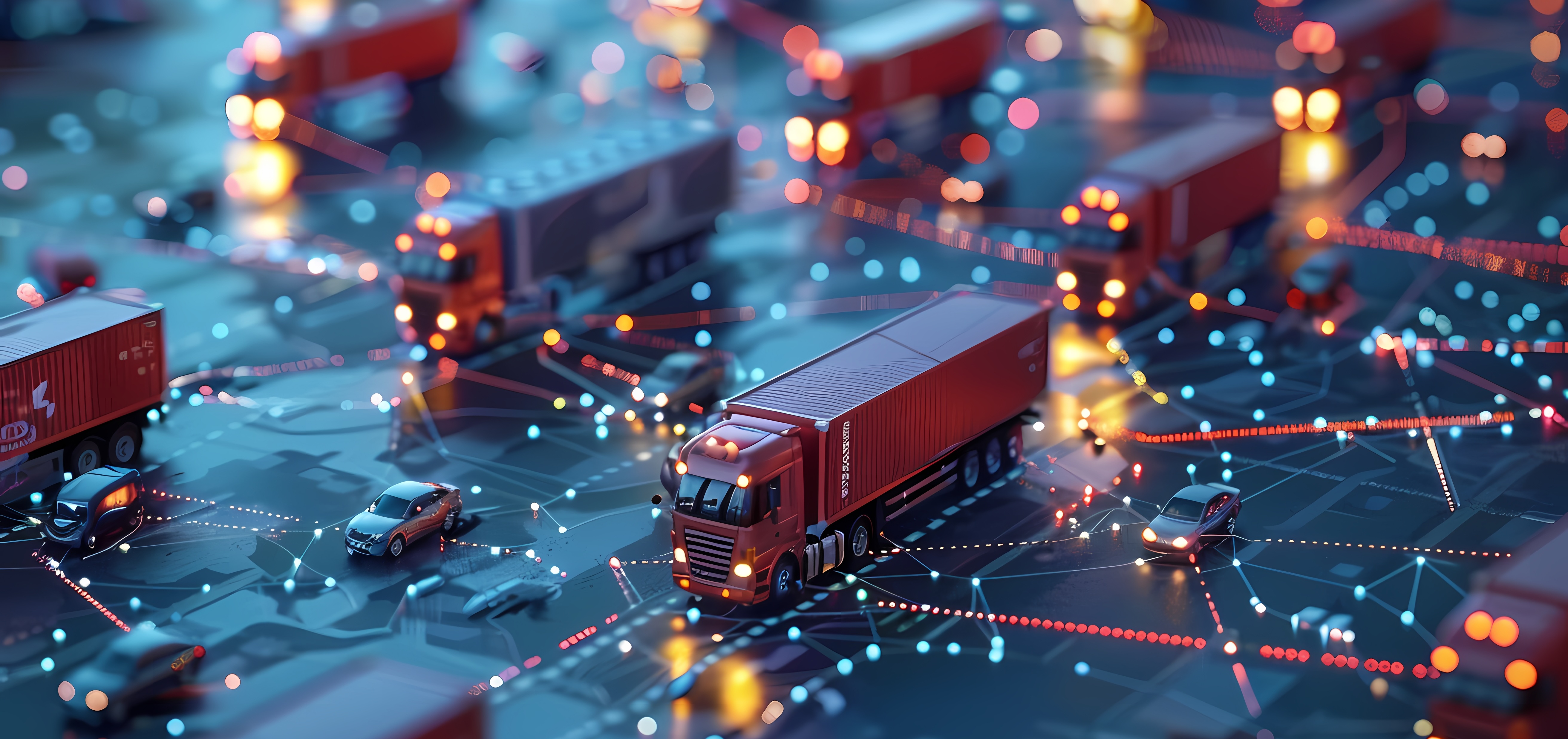
AI-Powered Supply Chain Automation
In today’s fast-moving global economy, traditional supply chains struggle under increasing complexity, unpredictability, and customer expectations. AI-Powered Supply Chain Automation transforms this challenge into a competitive advantage — enabling smarter operations, faster decisions, and resilient networks that anticipate disruption rather than react to it.
What Is AI-Powered Supply Chain Automation?
AI-Powered Supply Chain Automation uses advanced artificial intelligence — including machine learning, predictive analytics, and autonomous systems — to automate, optimize, and intelligently manage every stage of the supply chain. From planning and procurement to logistics and delivery, AI continuously analyzes data and drives real-time actions that were previously impossible with manual processes alone.
This isn’t simply automation of repetitive tasks — it’s intelligent automation. Systems learn from historical and live data to forecast demand, detect anomalies, recommend actions, and even execute complex processes autonomously.
Why AI Automation Matters for Modern Supply Chains
1. End-to-End Efficiency & Speed
AI eliminates routine bottlenecks by automating tasks like order processing, inventory reconciliation, and shipment scheduling — freeing teams to focus on strategic priorities. Predictive analytics deliver accurate forecasts that reduce stockouts and overstock situations.
2. Real-Time Decision Power
AI systems absorb data from sensors, ERP platforms, market signals, and logistics partners — generating insights instantly. This lets businesses react faster to demand swings, supplier delays, or transport disruptions with actionable recommendations.
3. Cost Reduction & Waste Elimination
By optimizing inventory levels, streamlining routes, and automating warehouse workflows, AI significantly reduces operational costs and waste — while improving quality and delivery performance.
4. Resilience & Risk Mitigation
AI can identify patterns that signal potential risks — such as supplier instability, transport bottlenecks, or external disruptions like weather events — allowing proactive resolution before they escalate into crises.
5. Enhanced Visibility Across Operations
Centralized AI dashboards give supply chain leaders a unified, real-time view of inventory flows, transportation stages, supplier performance, and demand signals — enabling confident planning and collaboration across global networks.
How AI Automation Works in Practice
• Intelligent Demand Forecasting
Machine learning models analyze historic sales patterns, market trends, seasonality, and external factors to deliver precise forecasts that optimize production plans and inventory allocation.
• Automated Procurement & Supplier Scoring
AI tools can compare supplier performance, predict lead time variability, and suggest the best sourcing options — simplifying negotiation and enhancing readiness.
• Dynamic Logistics & Routing
AI-driven route planners evaluate live traffic, weather data, and delivery constraints to choose the most efficient paths — cutting transit time and fuel costs.
• Smart Warehouse Operations
From autonomous guided vehicles (AGVs) to robotic picking systems and AI-guided slotting, warehouses become faster, safer, and more accurate.
• Predictive Maintenance
AI analyzes equipment sensor data to predict failures before they happen — reducing downtime and extending asset life.
Business Impact You Can Measure
Companies embracing AI automation in their supply chain reliably see benefits such as:
-
Reduced operating and logistics costs
-
Shorter lead times and faster deliveries
-
Higher on-time delivery performance
-
Improved customer satisfaction
-
More accurate inventory levels
-
Greater supply chain agility and resilience
These outcomes not only strengthen operational health but also contribute directly to revenue growth and customer loyalty.
AI Automation Is the Competitive Differentiator
In an era where supply chain disruption is the norm — not the exception — AI-powered automation shifts your business from reactive firefighting to proactive optimization. It unlocks insights that humans alone can’t see, automates decisions at scale, and ensures your supply chain operates with precision and foresight.
Whether you manage manufacturing, retail, logistics, or distribution, incorporating AI into your supply chain strategy is no longer optional — it’s essential for growth, resilience, and future success.
Our Technology Expertise
We work with proven enterprise platforms to help organizations modernize operations, improve efficiency, and scale with confidence.
SAP
Our SAP expertise enables intelligent process automation, advanced supply chain optimization, and data-driven decision-making. By combining SAP platforms with AI and analytics, we help enterprises improve resilience, operational visibility, and end-to-end process control.
Oracle NetSuite
We implement and optimize Oracle NetSuite to deliver unified, cloud-based ERP solutions. Our NetSuite capabilities support financial management, supply chain automation, inventory optimization, and business process standardization — enabling faster growth with lower operational risk.